We need more praise at work, sure, but that’s not enough. It’s also about better praise. We won’t create a viable culture of recognition in a workplace simply by increasing the amount of praise given, we must also improve the quality of the praise.
It is actually possible to praise employees and co-workers in ways that make them less happy at work. Here are the top 5 ways NOT to praise people at work. Do you recognize any of these from your workplace?
Positive feedback is great for us. Studies have shown that getting praise and recognition makes us happier, more productive, more creative, more resilient, and less stressed, just to mention some of the effects.
But what are the most effective things to give positive feedback for?
Here are the top five things you can praise about your coworkers.
Join me and I will share the fascinating research that show why happy companies make more money and give you all my best tools for how to do it in practice.
It’s a hilarious tour of all the weird and funny facts you need to know about Denmark.
Learn everything about Denmark in ten easy lessons, including how to eat like a Dane, drink like a Dane, work like a Dane, bike like a Dane, socialize like a Dane and – this is the hard one – speak like a Dane.
Studies have shown that getting praise and recognition at work makes us happier, more productive, more creative, more resilient, and less stressed, just to mention some of the effects.
But studies also show that positive feedback is much too rare in our workplaces. We did a survey that found that the third most common cause of unhappiness at work was when people feel they do a great job, but no one notices.
Here’s the good news: we can do something about it. Anyone can give anyone else positive feedback at work. You don’t have to wait for your boss to see the light and start recognizing people. You can be the one to do it, and you can make a huge difference when you do. ‘Cause make no mistake about it: a positive comment at the right time can make someone’s day. It can make someone’s entire week better.
And it really doesn’t need to be that complicated. Here are five great ways that you can praise someone else at work today.
How do you know that you’re unhappy at work? That something is not right and that it’s time to either make some changes at work or move on to a new job?
In my work, I talk to a lot of people who are not happy with their jobs. Here are the top ten symptoms of unhappiness at work that I’ve observed. How many apply to you?
Quitting a job you don’t like is a tough call, and it’s made even tougher by some very persistent myths.
These myths keep us stuck in bad jobs and give bad leaders and toxic workplaces much more power over us than they otherwise would’ve. Let’s change that.
Here are the top five myths about quitting a bad job.
There are four different kinds of motivation. Only one of them works and unfortunately, many managers focus exclusively on the other three. Kinda silly, huh?
Many people don’t feel motivated at work, and there’s a very simple explanation for this: The motivational techniques used by most managers don’t work.
In this video I show why most bosses fail to motivate staff and what actually does work.
More and more CEOs are hell-bent on forcing employees back to the office full time.
For a long time I have been really confused about why, but now a brand new study reveals the answer – and it is NOT any of the reasons they normally give like productivity or collaboration – it is something much more sinister.
There haven’t been a lot of positive outcomes from the COVID pandemic but the widespread flexibility to work from home is one. Maybe the only one.
Workers love it because they experience more flexibility, better work-life balance and higher productivity but over the last couple of years, a growing number of CEOs have been doing their best to roll it back and force everyone back into the office full time.
Well, now for the first time we have data! A fascinating new research article just gave the answer: It’s about protecting and boosting the egos of narcissistic CEOs.
In this video I go through the results of the study and how it applies in our workplaces.
“I can’t believe it – a newsletter actually worth reading!” – Subscriber
Over 6,000 people subscribe to our newsletter with tons of tips about happiness at work.
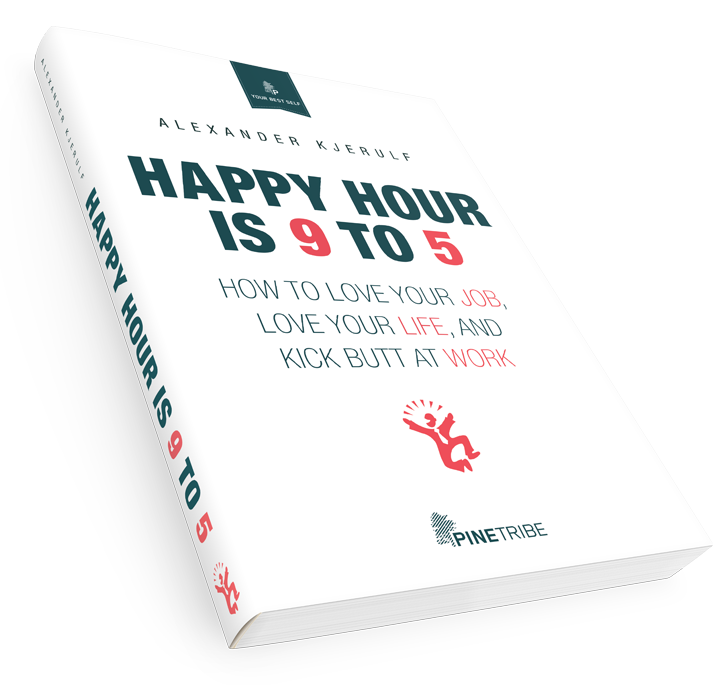
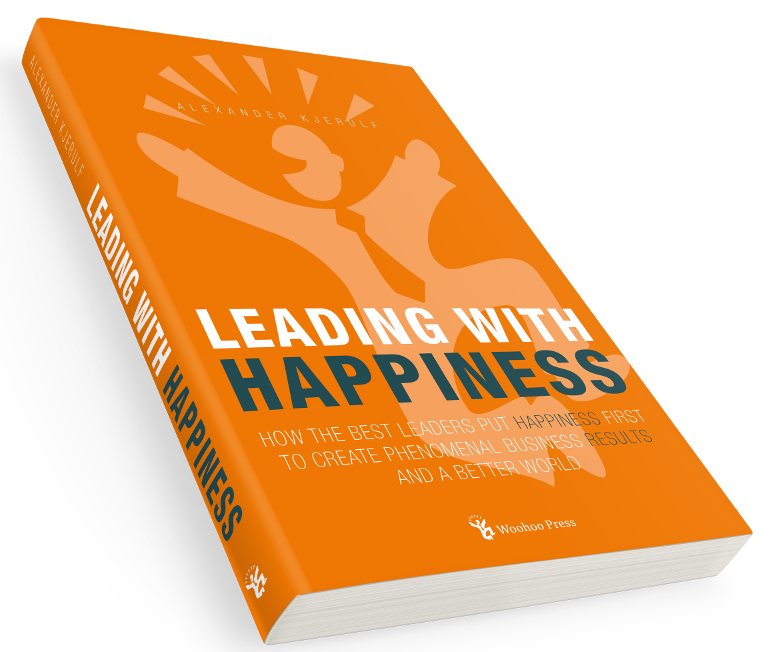
Get our books
“It’s very, very good. It’s incredibly well written, full of insights, and there are exercises to improve your own happiness at work. You can’t ask for more than that!” – David Maister, author of Practice What You Preach
“What an inspiring book. Every leader should read it. This type of leadership has been integral to our success and I know it will boost your results too.“ – Garry Ridge, CEO WD-40 Company
The Chief Happiness Officer Academy is our most in-depth 3-day training where we share everything we know about creating happier workplaces. You get a comprehensive understanding of the latest research, tons of effective practical tools and learn how to use them in your own business.